Richard Lindberg
Beyond the Nomad Bubble: Why Deep Travel Matters for Digital Nomads and Destinations
Beyond the Nomad Bubble: Why Deep Travel Matters for Digital Nomads and Destinations
Richard Lindberg is the founder of One Planet Journey, the world’s first platform and magazine dedicated to deep travel.
Digital nomads have something most travellers would love to have more of. Time.
When you stay somewhere for a month or two, daily life creeps into the trip. This is the part I love most, when you feel like a temporary local. You find a café you actually like rather than one some social media feed told you to visit. Via trial and error, you work out which supermarket is better. People recognise you after a while of showing up. If you join a gym or a running group, or learn enough of the language to have a conversation, the whole “local” thing accelerates.
Or none of that happens.
You can spend three months in Spain and experience surprisingly little of the country. Apartment, coworking space, gym, café. Add a social circle of other remote workers, and you can build a perfectly enjoyable life without getting particularly close to the place you’re living in. You might end up with friends from 15 countries, yet you barely know anyone who grew up down the road.
I’ve been thinking about that contradiction quite a lot.
At One Planet Journey, we’ve spent the past few years exploring what makes travel meaningful. One thing I’ve become increasingly convinced of is that time and depth aren’t the same thing.
A weekend can be deep. A month can be superficial.
It’s an important distinction in how we define Deep Travel, a travel mindset centred on meaningful engagement with places, cultures, communities, and personal interests. More time can help, obviously. It gives you more chances to engage. But what you do with that time matters far more than the number of nights on the booking.
Digital nomads, many of whom are deep travellers, therefore sit in an interesting position. They have the chance to stop being visitors for a while.

From temporary visitor to temporary local
Look at how cities market themselves to digital nomads, and you’ll usually find a familiar list.
Reliable internet. Coworking. Affordable accommodation. Pleasant weather. Flight connections. A social scene. Perhaps a digital nomad visa and a favourable tax setup.
No surprises there. If you’re planning to work from another country, you need the basics to function.
But I think we’ve spent much less time asking the question from the other direction. What does the destination get?
This is where staying longer can make a difference.
After a while, there’s less pressure to treat every free afternoon as sightseeing time. You develop routines instead. This is also why we always encourage deep travellers to revisit their favourite spots. That’s when you build depth. You know exactly where to get the best street food. You find places because they fit your interests rather than because they appeared on a “10 things to do” list. Slowly but surely you make genuine connections.
You also start noticing things you don’t associate with travel guides. Local arguments and politics. The neighbourhood everyone says has changed. A festival that matters enormously to residents and means nothing to most tourists. The frustrations people have with their own city. Which now have become yours.
There is a point where you begin to feel less like someone consuming a destination and more like someone living in it. I find the idea of the temporary local much more interesting than the usual “long-stay visitor”. It’s also why I prefer to stay for several months rather than do multiple weekend trips.

What happens when a nomad also travels deeply?
We’ve codified deep travel around seven principles. Intentionality, authenticity, presence, personalisation, connection, curiosity, and continuity.
When you put those alongside digital nomadism, some interesting possibilities appear.
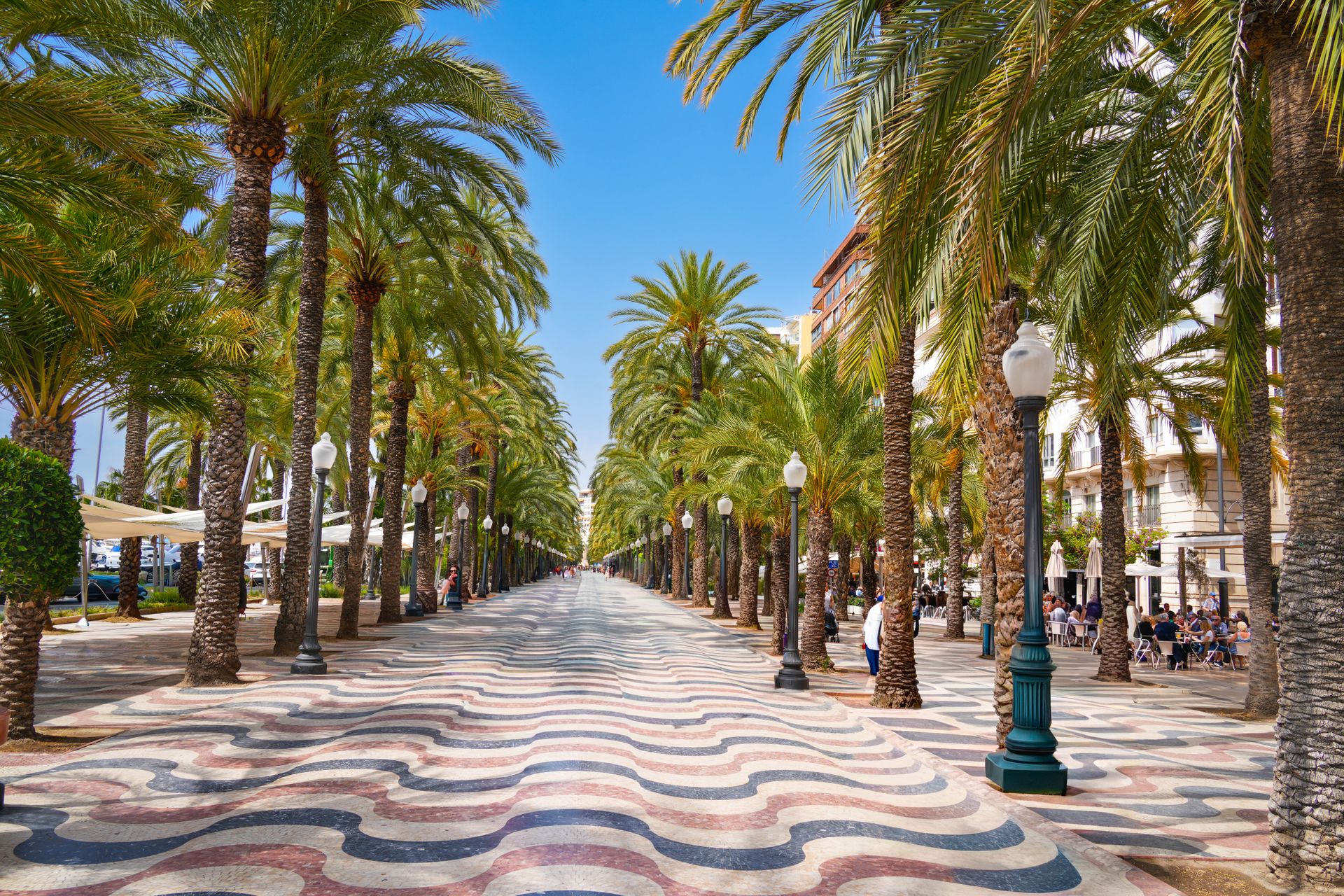
Take Personalisation. Someone interested in architecture is going to discover a different Alicante from somebody obsessed with food. The same goes for football, music, entrepreneurship, history, hiking, photography, or whatever else that gets you genuinely curious.
Connection changes the experience again. Once people begin anchoring you to a destination, leaving it becomes different too. And it opens the door to you returning. Time and time again.
What happens after you leave?
Which brings me to continuity.
I think this is one of the more overlooked parts of the whole digital nomad discussion. We tend to talk about arrival and stay. Then the story stops.
But what happens after someone leaves?
Some come back. Friendships continue. Someone remembers a restaurant and sends friends there two years later. They follow a business they discovered locally. They return for a festival. Maybe a professional relationship started during those months continues in another country.
There are never guarantees that any of this will happen. Some destinations bring out the best in you. Others are harder to flirt with. But when it does, the relationship between traveller and destination stretches beyond the trip itself.
Unlocking value from deep travel
There is value in that which our normal tourism numbers struggle to capture.
Arrivals, overnight stays, occupancy, and visitor numbers tell us useful things. They don’t tell us whether someone became attached to a place.
Nor do they tell us much about where that person’s attention and money went while they were there.
Two people can spend exactly two months in the same city and have almost nothing in common beyond the dates stamped on their accommodation bookings. One may spend mostly within an international ecosystem. The other might become a regular at several locally owned businesses and explore neighbourhoods well away from the visitor centre. They make local friends, pursue a hobby, and eventually come back.
This is not a moral judgement between the two. But from a destination perspective, they aren’t identical.
From nomad bubble to destination bridge
This brings us to the slightly uncomfortable part of the article. One of the best things about a strong digital nomad community is also one of its potential weaknesses. It makes meeting other digital nomads incredibly easy.
Imagine arriving alone in a city where you don’t know anyone. Within days, you can have people to meet for dinner, a coworking recommendation, WhatsApp groups, professional contacts, events to attend, and someone who has already figured out the piece of local bureaucracy currently driving you mad.
That’s powerful. Valuable even. I certainly wouldn’t argue against it. It can also become very comfortable, and that’s where the bubble begins.
It’s possible to live in Spain while spending most of your working and social life with people from everywhere except Spain. In fact, the stronger the international community becomes, the easier that is to do.

Could the bubble become useful?
Instead of trying to break something valuable for the digital nomad, what if we use it to boost the destination itself?
A good international community could be the place where a newcomer gets their footing. From there, it can open doors into the city rather than becoming a gated community.
This shouldn’t be about manufactured authenticity. I would rather see people connect because they actually have something in common. An international founder meets an Alicante entrepreneur because both are working on the same problem. A person interested in food discovers the market through somebody who shops there rather than through a tour designed for foreigners.
It could happen in a hundred different ways. Hopefully it will be organic. The moment we standardise it too much, we’ve probably missed the point.
For me, a useful way to think about the nomad bubble is to ask a challenging question. Can it become a bridge to the destination?
Alicante is an interesting place to test the idea
This question has been on my mind during recent conversations with the team behind the Alicante Nomad Summit.
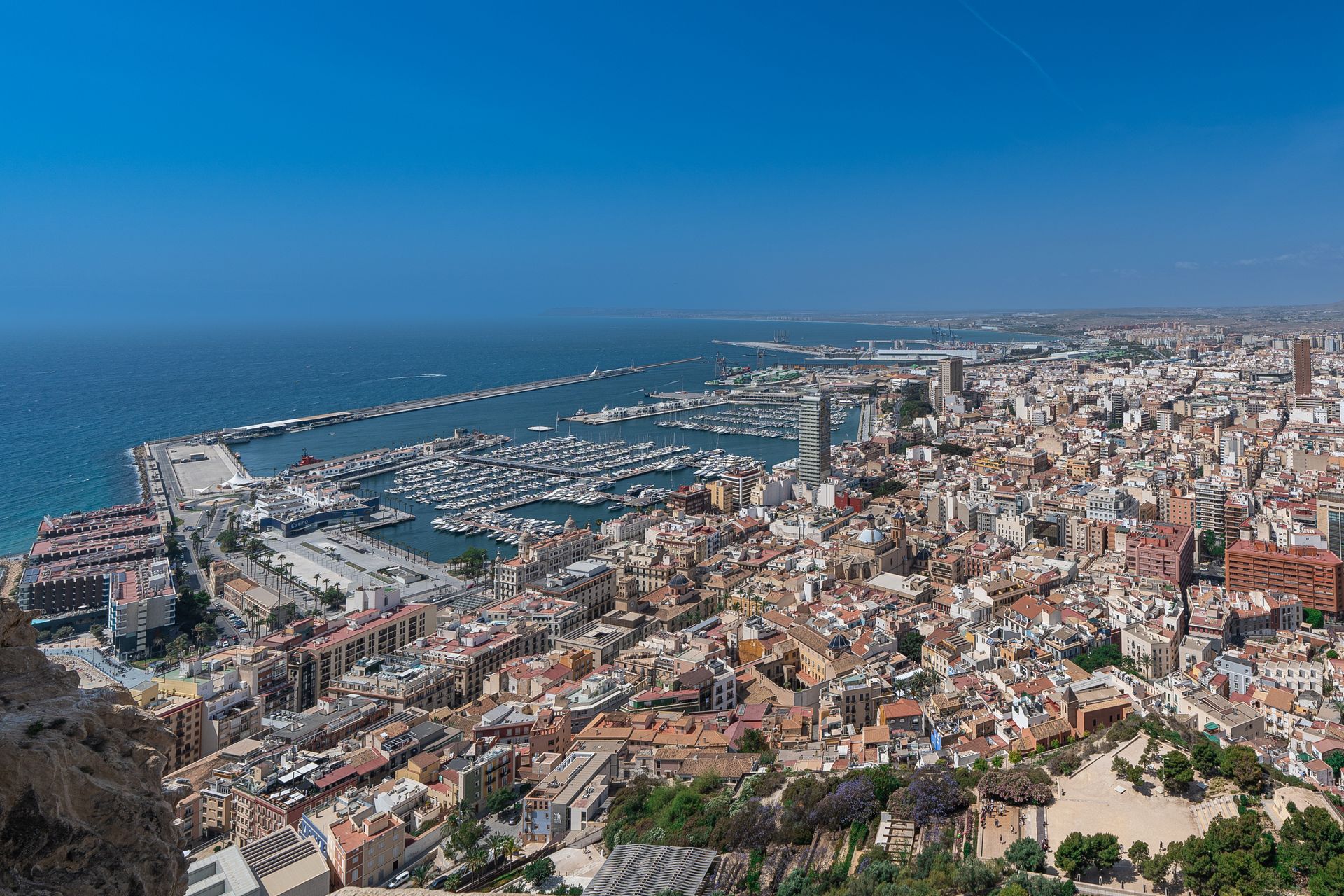
On paper, Alicante is an easy sell to remote workers. Climate, beaches, accessibility, infrastructure, coworking, and an established international population. What caught my attention was when we started talking about the community.
The Alicante Nomad Summit itself grew out of relationships within the city’s international community. Its organisers talk about people arriving, finding friends, going to events, building businesses, and becoming more involved in Alicante over time. That progression holds promise.
A city, not a remote-work product
Alicante isn’t a remote-work product. It’s a city. There are neighbourhoods and festivals, family businesses and restaurants, local entrepreneurs, nearby towns, traditions, arguments, routines, and all the ordinary things that make somewhere belong first and foremost to the people who live there.
A nomad can sit on top of that world without really entering it. But the international community that welcomed them can provide the first few connections into it.
I don’t yet know what the best version of that looks like in Alicante. That’s partly why I find the conversation interesting. But I don’t see the local and international communities as competing worlds by definition. There are enough bridges between them to make it work for all.
Maybe destinations don’t need more nomads
For years, destinations interested in digital nomads have concentrated heavily on attraction.
Which visa should we offer? Is our internet fast enough? Do we have enough coworking spaces? How competitive is the cost of living? How do we get onto those lists of the world’s best cities for remote workers?
We’re reaching the point where those questions aren’t enough. If thousands of location-independent people make a city their temporary home, where does their money actually go? Who do they meet? Do they participate in local life? What do residents make of them? Are they spread through the city or concentrated in a handful of neighbourhoods and businesses?
Some of those questions won’t have comfortable answers, and that’s fine. They’re still worth asking because the same type of questions are being asked about tourism in general.
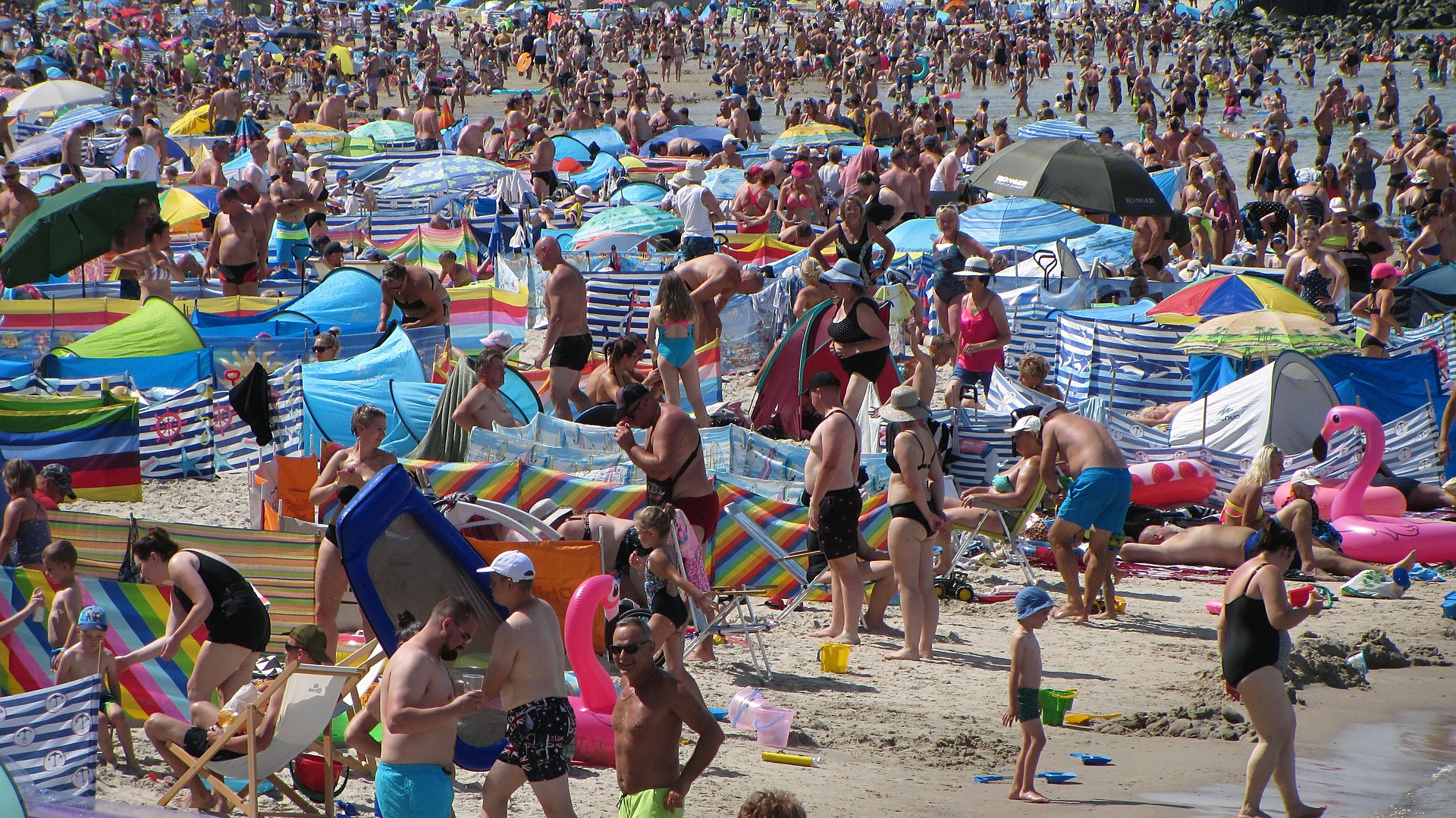
Deep travel is about quality, over quantity. Success should not automatically mean attracting ever larger numbers. A destination might gain more from 5,000 people who develop a meaningful relationship with the place than 10,000 who largely remain inside a parallel international world. Economics matter, but so does a social licence to operate.
What should destinations measure instead?
Deep Travel gives us one lens through which to think about that value. Behaviour.
Are you curious about where you are? Do you pay attention? Have your own interests taken you somewhere unexpected? Are you getting to know people? Are you participating in anything? Will some part of the relationship continue when you leave?
Those questions work whether someone is in Alicante for four days or four months. A digital nomad isn’t automatically a deep traveller, as we have covered in our Deep Travel Report. But there is an advantage in having time on your side. You can return to places, build routines, make friends, follow recommendations that lead somewhere unexpected, get things wrong, and because of that learn a little more.
What will you know when you leave?
Part of the evolution of digital nomadism is thinking seriously about our relationship with the places we temporarily call home. I’d start with a fairly simple question.
When you leave, will you have known the place or mainly the people who arrived with you?
That’s a conversation I’m looking forward to continuing with the Alicante Nomad Summit community.