
Karoline Steiner
Spain Digital Nomad Visa Explained (2026 Guide)
Spain Digital Nomad Visa Explained (2026 Guide)
Spain has become one of the most attractive destinations for digital nomads in recent years, and not just because of its beaches and sunny weather. With a relatively affordable cost of living, strong infrastructure, and a lifestyle that balances productivity and leisure, it’s easy to see why remote workers are choosing to relocate here. To support this shift, Spain introduced the digital nomad visa, making it possible for non-EU citizens to live and work legally in the country while earning income from abroad. For many, this visa removes one of the biggest barriers to long-term stays in Europe. If you’re considering moving to Spain in 2026, understanding how this visa works, what the requirements are, and whether it fits your situation is an essential first step. Here’s a clear and practical breakdown.
What Is the Spain Digital Nomad Visa?
The Spain Digital Nomad Visa is designed for non-EU citizens who want to live in Spain while working remotely for companies or clients based outside the country. It is part of a broader effort by the Spanish government to attract international professionals and boost the remote work economy. Unlike tourist visas, which limit how long you can stay, this visa allows you to legally reside in Spain for an extended period. It also provides a more stable framework if you’re planning to settle for several months or even years. The visa is suitable for a range of remote workers, including freelancers, employees of foreign companies, and online entrepreneurs. One important condition is that your income must primarily come from outside Spain, although limited work with Spanish clients may be allowed under certain conditions.
Overall, the visa is aimed at people who are location-independent but want a legal and structured way to base themselves in Spain.

Key Requirements for 2026
Before applying, it’s important to understand the main requirements. While details can vary slightly depending on your situation and where you apply from, the core criteria are relatively consistent. In general, you will need:
- Proof of remote work
You must show that you work for a company outside Spain or have freelance clients based internationally. Contracts, client agreements, or employer letters are typically required. - Professional qualification or experience
A university degree or several years of relevant work experience is typically required to demonstrate that you are qualified for your field. - Health insurance
You must have private health insurance that is valid in Spain and provides full coverage without significant gaps. - Clean criminal record
A background check is required to confirm that you do not have a criminal history.
The application process can take several weeks, and documentation needs to be properly prepared, so planning ahead is key.
Duration, Renewals, and Taxes
One of the main advantages of the Spain Digital Nomad Visa is its flexibility when it comes to length of stay. If you apply from outside Spain, the visa is typically granted for one year. However, if you apply from within Spain, you may receive a residence permit valid for up to three years. After this initial period, it is possible to renew the visa, making it a viable long-term option for those who want to stay in Spain beyond just a few months. Over time, this can even open the door to longer-term residency options. Taxes are an important aspect to consider. Spain offers a special tax regime for certain foreign workers, often referred to as the “Beckham Law.” Under this regime, eligible applicants may benefit from a reduced tax rate for a limited number of years. However, tax obligations depend on multiple factors, including your income structure and residency status. Because of this, many digital nomads choose to consult a tax advisor before or shortly after moving to Spain.
Is Spain a Good Choice for Digital Nomads?
Beyond the visa itself, the bigger question is whether Spain is the right place for your lifestyle and work. For many digital nomads, the answer is yes. Spain offers a combination of factors that are difficult to find in one place. The climate allows for an outdoor lifestyle year-round, while cities provide reliable internet, coworking spaces, and international communities.
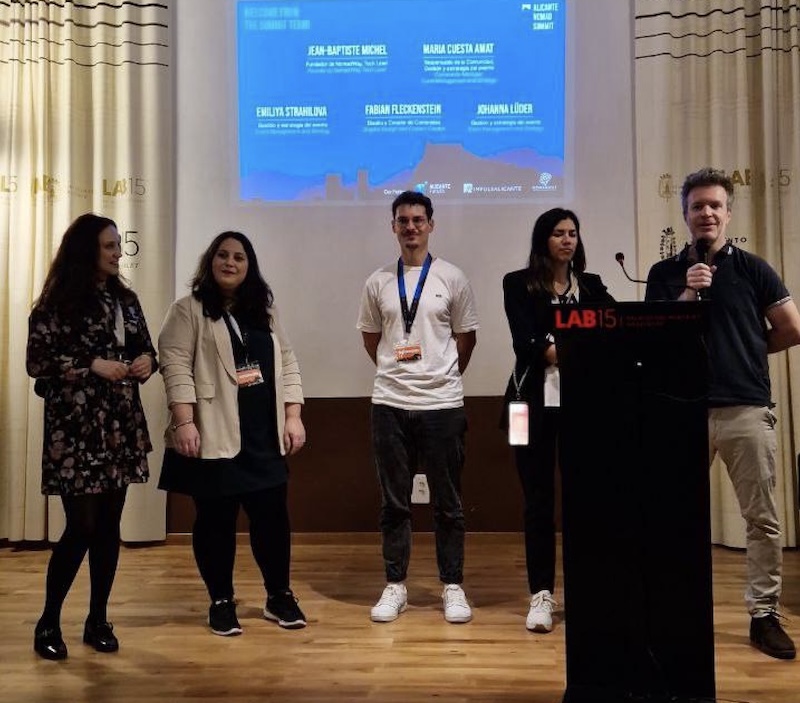
Alicante, in particular, is becoming increasingly popular. Compared to larger cities like Barcelona or Madrid, it offers a more relaxed pace of life and a lower cost of living, without sacrificing quality. You still get access to beaches, good food, and a growing network of remote workers. At the same time, one of the biggest challenges of the digital nomad lifestyle is building meaningful connections. This is where local communities and events become important. Meeting people in person can make a significant difference in how quickly you feel settled and how much you get out of the experience. If you’re planning to move to Spain, combining the practical step of getting your visa with actively connecting to the local nomad scene can make the transition much smoother.